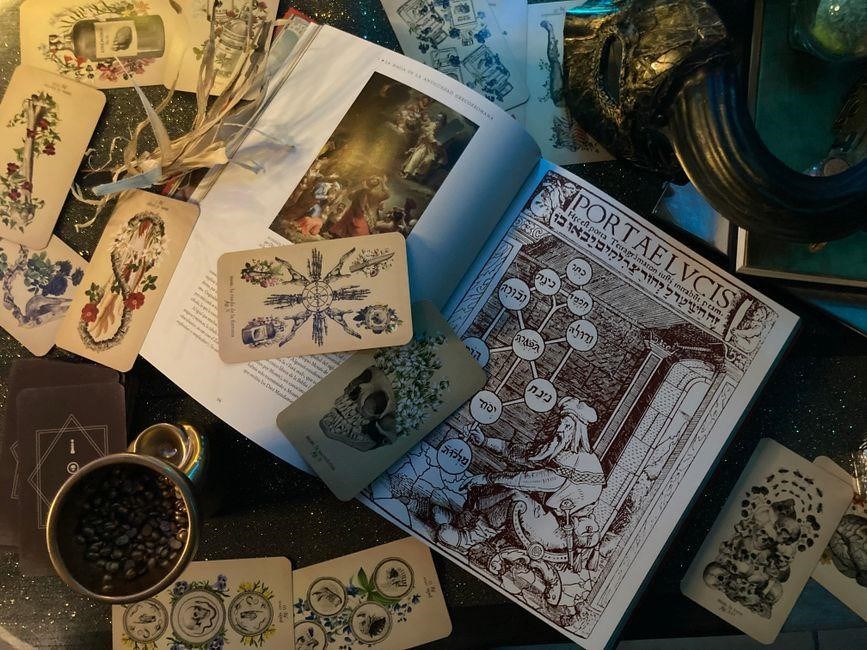
The Munich Manual of Demonic Magic is an enigmatic compendium tracing occult practices from 16th‑century Bavaria to modern esotericism. It compiles rituals, sigils, cosmological insights, and a structured approach to metaphysical inquiry, disciplined invocation of otherworldly forces. and lore.

Historical Context and Origins
The Munich Manual of Demonic Magic, first documented in the late 16th century, emerged from a confluence of Renaissance alchemy, medieval grimoires, and the burgeoning interest in the occult that permeated the Holy Roman Empire’s intellectual circles; Scholars trace its earliest references to a manuscript housed in the Bavarian State Library, a codex compiled by a clandestine circle of scholars and practitioners known as the “Schwarze Orden.” These figures, operating under the patronage of local aristocracy, sought to codify the arcane knowledge that had long circulated in marginal circles. The manual’s lineage can be linked to the works of Heinrich Cornelius Agrippa and the later, more controversial, writings of Johann Weyer, who challenged prevailing demonological doctrines. Over the centuries, the text was recopied, annotated, and expanded by successive generations of occultists, each adding layers of ritualistic detail and cosmological theory. By the 18th century, the Munich Manual had become a cornerstone of esoteric study, influencing both the academic discipline of comparative mythology and the clandestine practices of secret societies. Its survival into the modern era is a testament to the enduring human fascination with the unseen forces that shape reality, and it remains a pivotal reference for those who seek to understand the intricate relationship between humanity and the demonic realm. Its legacy endures, inviting scholars to probe the abyssal nexusdeep.!
Purpose and Scope of the Manual
The Munich Manual of Demonic Magic serves as both a doctrinal guide and a practical manual for practitioners seeking to navigate the complex terrain of demonic invocation. Its purpose is to codify the principles that govern the interaction between human will and infernal entities, providing a systematic framework that balances ritual precision with metaphysical insight. The scope extends beyond mere summoning; it encompasses the ethical frameworks, cosmological contexts, and protective measures necessary to maintain equilibrium during the act. By delineating stages of preparation, invocation, and dissolution, the manual offers a step‑by‑step protocol that safeguards the practitioner from unintended consequences. It also addresses the psychological impact of confronting otherworldly forces, offering guidance on maintaining mental clarity and emotional resilience. The text is designed to be adaptable, allowing users to modify rituals to align with personal intent while preserving core safety protocols. In essence, the manual is a living document that bridges historical esoteric traditions with contemporary practice, ensuring that the art of demonic magic remains both disciplined and responsible. Moreover, the manual delineates the cosmological hierarchy of demonic entities, outlining their domains, hierarchies, and the specific sigils required to establish a secure connection. It emphasizes the importance of aligning one’s personal energy with the entity’s intent, thereby fostering mutual respect and reducing the risk of possession. The text also includes case studies from historical practitioners, illustrating successful negotiations and cautionary tales that underscore the necessity of rigorous preparation. Such meticulous record‑keeping enhances safety and fosters a deeper understanding of demonic dynamics. Caution is key. Knowledge safeguards!?

Core Principles of Demonic Summoning
Three pillars guide the rite: intent, precision, protection. Intent aligns will with the entity’s purpose. Precision demands exact sigils, timing, language. Protection uses sigils, circles, counter‑spells to shield the summoner and preserve balance!!

Ethical Considerations
Ethical summoning demands a rigorous framework that balances personal intent with universal responsibility. The manual delineates a code that requires practitioners to conduct a pre‑ritual assessment, evaluating their motives, potential impact, and the inherent dignity of the entity. This assessment must be documented in a binding covenant, ensuring transparency and accountability. The text emphasizes that consent is not merely a formality but a foundational principle; the entity’s will must be respected, and the summoner must avoid coercion or exploitation. Moreover, the manual insists on a continuous ethical dialogue, encouraging practitioners to revisit their intentions after each session, to learn from outcomes, and to adjust their practice accordingly. This iterative process safeguards against hubris and promotes humility. The manual also warns against the temptation to use demonic power for personal gain, advocating instead for the pursuit of knowledge, healing, or the greater good. By embedding these safeguards, the manual transforms summoning from a potentially destructive act into a disciplined, morally conscious endeavor that honors both the practitioner and the otherworldly being. Such a code also mandates that the practitioner maintain a continuous record of each summoning, noting the entity’s responses, the energies exchanged, and any shifts in the practitioner’s own moral compass; this log serves as both a safeguard and a testament to the evolving ethical relationship human and otherworldly intelligence
Ritual Safety Protocols
Safety protocols in the Munich Manual of Demonic Magic are designed to protect both practitioner and environment during summoning. The manual requires a sanctified perimeter, constructed from iron filings, salt, and a protective sigil etched in chalk. A circle of candles must be arranged in a precise geometric pattern, each flame representing a different element: earth, air, fire, water, and ether. The practitioner must perform a grounding meditation before any incantation, aligning breath with the cardinal points to stabilize personal energy. A binding rope of hemp, dyed red, is tied around the practitioner’s wrist, symbolizing a tether to the physical realm. The manual also prescribes a “safety net” of protective herbs—sage, rosemary, and lavender—placed at each corner of the circle. A secondary observer, trained in the manual’s protocols, must stand outside the circle and monitor for any deviation from the script. If an entity displays aggression or attempts to breach the circle, the observer must immediately recite a counter-sigil, drawn from the manual’s appendix, to repel the force. Additionally, the manual mandates that all tools be cleansed with moonlit water after each session, and that the practitioner write a detailed log of the experience, noting any anomalies, to refine future safety measures. By following these steps, the ritual remains controlled, minimizing risk and ensuring the practitioner’s safety throughout the summoning process. Practitioners should also maintain a log of any changes in the entity’s behavior, noting shifts that may indicate daily now dynamics.

Tools and Materials Required
The manual lists iron, obsidian, salt, candles, parchment, a binding rope, and a silver chalice. Each tool must be consecrated with a specific chant, and the parchment inked in black, derived from soot. A crystal sphere is used to focus intent. The ritual demands meticulous preparation, ensuring each component aligns with cosmic order. Only seasoned practitioners should attempt these rites to; They must also keep a schedule of cleansing rituals.!!
Sacred Instruments and Their Significance
The Munich Manual enumerates a set of instruments, each chosen for its metaphysical resonance and historical lineage. The iron rod, forged in a forge that once burned with the prayers of early mystics, serves as a conduit for the practitioner’s will, channeling intent into the void. Obsidian mirrors, polished to a glassy sheen, reflect not only light but the hidden facets of the summoner’s psyche, revealing the true nature of the entity to be called. A silver chalice, lined with runes, holds the distilled essence of the ritual’s purpose, its silver surface preventing the corruption of the summoned spirit. Salt, sifted from a river known for its purity, is spread in concentric circles to create a protective boundary, warding off malevolent influences. Candles of various colors—black for binding, white for purification, red for power—are arranged in a pentagonal pattern, each flame a symbolic anchor. Parchment, written in ink made from soot and water, carries the sigils that summon. Binding rope, woven from hemp and blessed with prayers, secures the entity’s presence, preventing escape. Finally, a crystal sphere, clear and unblemished, focuses the practitioner’s energy, amplifying the resonance of the incantation. Together, these instruments form a symphony of intention, protection, and invocation, each element echoing the ancient cosmology that underpins the Munich Manual’s teachings. Each instrument, when consecrated, becomes a bridge that aligns the practitioner’s will with the demonic realm, turning ritual into a sacred pact!!!

Binding elements form the cornerstone of every ritual in the Munich Manual, each chosen for its symbolic resonance and practical efficacy. The manual prescribes a hierarchy of sigils, etched onto altar surfaces with quills made from raven feathers, symbolizing the liminal threshold between worlds. These sigils are not merely decorative; they serve as conduits, aligning the practitioner’s intent with the demonic plane and ensuring the summoned entity remains within the defined boundary. The binding rope, woven from hemp and blessed with a chant of protection, is wound around the sigil’s perimeter, creating a physical and metaphysical cage that prevents the entity from slipping beyond the boundary. Salt, collected from a spring that has remained untouched for centuries, is spread in a perfect circle, its crystalline structure acting as a barrier against malevolent interference. The manual also prescribes the use of a silver mirror, placed at the center of the circle, which reflects the true nature of the entity and offers a safeguard by allowing the practitioner to see any hidden aspects of the being. Fire, represented by a single black candle, is lit at the center; its flame is a symbol of purification and a warning that the summoning is a serious act. The binding elements, when combined, create a multi-layered shield that protects both the practitioner and the environment from unintended consequences. The manual stresses that each element must be prepared with intention, reverence, and precision, as the slightest deviation can weaken the barrier and invite chaos. Binding elements must be handled to preserve the circle!!!

Step-by-Step Summoning Procedures
The manual outlines a precise sequence: cleanse the space, draw the sigil, chant the invocation, place the binding rope, ignite the black candle, and await the entity’s manifestation. Each step is timed to the lunar cycle, ensuring maximum resonance and safety. Remember the final seal, close!
Preparation of the Sacred Space
Begin by selecting a quiet, dimly lit room devoid of electronics and clutter. Clean all surfaces with a salt‑rosemary solution to repel negative energies. Draw a salt circle around the doorway, extending a foot beyond the entrance to create a boundary. Set up a central altar bearing a black candle, a bowl of black tea, and a small statue of the chosen entity. Light the candle with a flame that has never touched another fire, ensuring its purity. Brew black tea with sage and iron filings, pour into the bowl as an offering. Etch a sigil onto the altar with charcoal, then illuminate it with a lantern for a subtle glow. Sit cross‑legged on a rug, close your eyes, and recite a grounding mantra until your breath steadies. Draw a second sigil on the floor with chalk, rub it with rose‑petal oil to attract attention. Place a small bowl of water at the altar, add a drop of the brewed tea, and let it sit for ten minutes to infuse. When ready, recite the invocation slowly, using the lantern’s light to amplify your voice. Wait for the entity’s manifestation—signaled by a chill, faint incense scent, or flicker of light. Once present, maintain focus, use the sigils and candle as power sources, and request the desired task. Conclude by thanking, extinguishing the candle, and closing the circle with a final chant. Clean the space again with salt and rosemary water, journal the experience, and proceed with humility and respect. Trust the process, let ritual unfoldnow.
Begin by selecting a quiet, dimly lit room devoid of electronics and clutter. Clean all surfaces with a salt‑rosemary solution to repel negative energies. Draw a salt circle around the doorway, extending a foot beyond the entrance to create a boundary. Set up a central altar bearing a black candle, a bowl of black tea, and a small statue of the chosen entity. Light the candle with a flame that has never touched another fire, ensuring its purity. Brew black tea with sage and iron filings, pour into the bowl as an offering. Etch a sigil onto the altar with charcoal, then illuminate it with a lantern for a subtle glow. Sit cross‑legged on a rug, close your eyes, and recite a grounding mantra until your breath steadies. Draw a second sigil on the floor with chalk, rub it with rose‑petal oil to attract attention. Place a small bowl of water at the altar, add a drop of the brewed tea, and let it sit for ten minutes to infuse. When ready, recite the invocation slowly, using the lantern’s light to amplify your voice. Wait for the entity’s manifestation—signaled by a chill, faint incense scent, or flicker of light. Once present, maintain focus, use the sigils and candle as power sources, and request the desired task. Conclude by thanking, extinguishing the candle, and closing the circle with a final chant. Clean the space again with salt and rosemary water, journal the experience, and proceed with humility and respect. Trust the process, let ritual unfoldnow.
Invocation of the Demonic Entity
Once the circle is sealed, the practitioner turns to the center, holding the black candle aloft. The flame’s wavering light becomes a conduit for the entity’s attention. A chant in the ancient tongue is spoken, each syllable resonating with the sigil etched on the altar. The practitioner then calls the name of the demon, a name that carries both reverence and command. The voice rises, echoing off the walls, while the candle’s flame flickers in response. A sudden chill sweeps the room, and a faint scent of ozone or burnt cedar fills the air. The entity manifests as a shadowy form, hovering near the candle, its outline shifting with the flame’s movement. The practitioner maintains steady breathing, offering a portion of the brewed tea as a binding token. The entity’s presence is acknowledged with a bow, and a pact is formed: the demon will grant the requested boon in exchange for the offered tribute. The practitioner then articulates the precise request, ensuring clarity and intent. The entity’s response is a series of whispers, a vibration felt in the chest, confirming the pact. The practitioner records the details in a journal, noting the entity’s name, the pact terms, and any signs of future communication. Finally, gratitude is expressed, the candle is extinguished, and the circle is closed with a final chant, sealing the encounter and leaving the space untainted. The practitioner seals the pact with a final oath, binding the entity to the contract

Post-Summoning Management and Closure
After the entity departs, the practitioner cleans the circle with salt, recites a closing chant, and seals the space with a protective sigil. A journal entry records details, ensuring future reference. The practitioner then rests, allowing energies to settle, and returns to normalcy. All calm.!

Post‑Summoning Management and Closure

Maintaining control over summoned entities demands a disciplined mindset, precise rituals, and understanding of the entity’s nature. The manual stresses clear intention, a well‑defined contract, and firm boundaries. Practitioners keep a mental anchor—a mantra or sigil—to prevent the entity from slipping into the practitioner’s psyche. The text outlines safeguards: a protective circle inscribed with runes, a binding oath recited in the entity’s native tongue, and a physical tether—often a silver chain or hair strand—kept in a sealed vial. Each step is accompanied by detailed explanation of symbolic significance, ensuring the practitioner internalizes the process. The manual advises regular meditation to reinforce will, and the use of a “demon ledger” to track encounters, noting demands, temperament, and deviations from agreed terms. By maintaining a rigorous schedule of after‑care rituals—cleansing the space with salt, offering a token of gratitude, and performing a final sealing chant—the practitioner preserves the contract’s integrity and prevents future incursions. Discipline is reinforced through community oversight; the manual suggests forming a coven that reviews each summoning, providing collective accountability and shared wisdom. This structured approach transforms the potentially chaotic act of summoning into a controlled, respectful exchange that respects both safety and autonomy.
Practitioners record the entity’s response, noting shifts in tone or intent. This log becomes a contractdaily allowing summoners to anticipate risks. By treating the exchange as a negotiated partnership, the practitioner upholds ethical integrity while harnessing the entity’s power.
Safe Dissolution and Aftercare
Safe dissolution is the final act of releasing the entity back to its realm. The manual prescribes a three‑step ritual: first, recite a binding counter‑sigil that reverses the original invocation. Second, draw a cleansing circle of salt, sage, and holy water to absorb residual energy. Third, offer a token of gratitude—often a small crystal or written vow—before the entity departs. After the entity leaves, perform a grounding exercise: step barefoot on earth, breathe slowly, and visualize the space returning to neutral. Record the entity’s name, demands, and any lingering impressions, then seal the page with a drop of iron‑rusted wax. This record becomes a protective talisman against future miscommunication. Finally, schedule a cleansing ceremony a week later, repeating the salt circle and chanting a closing hymn. This aftercare ensures the space remains free of lingering influence and that the practitioner’s aura is restored to its original state.
- The practitioner should keep a small vial of salt beside the altar; this serves as a physical reminder of the boundary and can be sprinkled over the exit point to seal the passage.
- A final breath of incense, followed by a silent vow, helps to anchor the practitioner’s intention, ensuring that no residual echo of the entity lingers in the room.
A wave of saltwater over the exit point seals the passage, keeping stray energy. Record the experience in a book for reference now. All steps must be performed with reverence.