Levolor Remote Control Guide: A Comprehensive Overview
Welcome! This guide provides detailed instructions for Levolor motorized blinds and shades, covering remote features, troubleshooting, and advanced settings.
Explore compatibility, programming, and support resources for a seamless experience with your automated window coverings, ensuring optimal functionality and convenience.
Understanding Your Levolor Motorized Blinds & Shades
Levolor’s motorized blinds and shades offer convenience and enhanced control over your home’s lighting and privacy. These systems utilize remote controls to operate, eliminating the need for manual adjustments. Understanding the core components is crucial for optimal use. Different shade styles, including top-down/bottom-up and day/night options, require specific programming considerations, as detailed in guides like the LEVOLOR_InMotion_Remote_Guide_-_TDBU_D_N.pdf.
Proper product positioning during installation significantly impacts performance. The remote control acts as the central command, communicating with the shade’s motor. Familiarize yourself with the remote’s features and functions to fully leverage the benefits of your motorized shades. Troubleshooting guides are available on the Levolor customer support website (levolor.com) to address common issues, ensuring a smooth and enjoyable experience with your automated window coverings.
Available Shade Styles and Compatibility
Levolor offers a diverse range of motorized shade styles, each with unique operational characteristics. Popular options include standard roller shades, Roman shades, and innovative top-down/bottom-up (TDBU) and day/night shades. Compatibility between the remote control and the shade style is paramount for seamless functionality. The LEVOLOR_InMotion_Remote_Guide_-_TDBU_D_N.pdf specifically addresses programming for TDBU and day/night shades, outlining specific procedures for optimal performance.
Not all remotes are universally compatible with every Levolor system. Ensure your remote model is designed for your specific shade type. Refer to the remote control guide or Levolor’s customer support resources (levolor.com) to verify compatibility. Understanding these nuances prevents operational issues and ensures you can fully utilize the convenience of your motorized window coverings. Proper matching guarantees a smooth and responsive experience.
Product Positioning and Installation Considerations
Optimal product positioning is crucial for reliable remote control operation. Avoid obstructions between the remote and the shade’s motor, as these can significantly reduce signal range and responsiveness. During installation, ensure the motor head is accessible for manual operation if needed, and that wiring is neatly managed to prevent interference. The LEVOLOR_InMotion_Remote_Guide_-_TDBU_D_N.pdf highlights the importance of correct shade positioning for TDBU and day/night functionality.
Consider potential sources of interference, such as other electronic devices or metal structures. Proper installation also involves securely mounting the shade and ensuring it operates smoothly throughout its entire range of motion. Incorrect installation can lead to operational issues and potentially damage the motor or shade mechanism. Always consult the installation manual for detailed instructions and safety precautions.

Remote Control Features & Functions
Explore the diverse capabilities of your Levolor remote, including precise shade control, convenient programming options, and seamless synchronization with multiple shades for enhanced automation.
Remote Control Overview: Buttons and Indicators
Understanding the controls is key to operating your Levolor motorized shades effectively. The InMotion remote, as detailed in the LEVOLOR_InMotion_Remote_Guide_-_TDBU_D_N.pdf, typically features up and down buttons for raising and lowering shades.
A “My” button allows for pre-set position saving, while a “Stop” button halts movement. Pay attention to indicator lights; these signal battery status or successful programming. Some models may include dedicated buttons for Top-Down/Bottom-Up or Day/Night functionality.
The remote’s design prioritizes intuitive operation. Familiarize yourself with each button’s function before attempting advanced programming. Refer to the official Levolor guide for specific button layouts and indicator meanings related to your particular remote model. Proper understanding ensures smooth and reliable shade control.
Battery Installation and Replacement
Maintaining power is crucial for consistent remote operation. The LEVOLOR_InMotion_Remote_Guide_-_TDBU_D_N.pdf outlines the battery installation process, typically requiring a screwdriver to access the battery compartment. Most Levolor remotes utilize standard AAA or CR2032 batteries.
Ensure correct polarity when inserting new batteries – positive (+) and negative (-) terminals must align with the markings inside the compartment. Low battery power is often indicated by sluggish shade response or a flashing indicator light on the remote itself.
Replace batteries promptly to avoid programming loss or operational failure. Always dispose of used batteries responsibly, following local regulations. Regularly check battery levels, especially with frequent use, to guarantee uninterrupted control of your motorized shades;
Programming the Remote Control
Initial programming establishes communication between your remote and Levolor shades. Refer to the LEVOLOR_InMotion_Remote_Guide_-_TDBU_D_N.pdf for specific instructions, as procedures vary by shade style (Top-Down/Bottom-Up, Day/Night). Generally, this involves entering a learning mode on both the shade and the remote.
Typically, you’ll press and hold a “Program” or “Learn” button on the shade motor housing until an indicator light flashes. Simultaneously, press a desired channel button on the remote. Successful programming is usually confirmed by the shade responding to the remote’s commands.
If programming fails, repeat the process, ensuring close proximity between the remote and shade. Consult the guide for troubleshooting tips if issues persist. Proper programming ensures reliable control and allows for individual shade or group control.
Troubleshooting Common Remote Issues
Facing problems? This section addresses unresponsive remotes, range limitations, and potential interference. We’ll guide you through initial checks and resetting procedures for optimal control.
Remote Not Responding: Initial Checks
First steps are crucial! If your Levolor remote isn’t responding, begin with simple checks. Ensure fresh batteries are correctly installed, verifying polarity. Obstructions between the remote and the shade receiver can significantly impact signal transmission – remove any potential barriers.
Confirm the shade itself has power; check the power supply connection. Try operating other shades with the same remote to isolate the issue – is it shade-specific or a remote problem? If multiple remotes control the same shade, test each one.
Occasionally, a simple reset of the shade’s power can resolve connectivity issues. If these initial steps fail, proceed to investigate potential interference or consider a remote reset, detailed in subsequent sections. Remember to consult the specific remote model guide for tailored instructions.
Remote Control Range and Interference
Understanding limitations is key. Levolor remote controls have a typical operating range, but this can be affected by several factors. Walls, furniture, and even metal structures can weaken the signal. Expect reduced range through multiple obstructions.
Wireless interference from other devices is a common culprit. Sources include Wi-Fi routers, Bluetooth devices, and even some types of lighting. Try temporarily disabling nearby wireless devices to see if remote responsiveness improves.
Large mirrors or metallic window coverings can also reflect and disrupt the signal. Positioning the shade receiver for optimal line-of-sight to the remote can enhance performance; If consistent interference persists, consider relocating the shade or the interfering device.
Resetting the Remote Control
When troubleshooting, a reset can often resolve issues. If your Levolor remote isn’t responding, a factory reset might be necessary. This process typically involves removing the battery and pressing a specific button combination while reinserting it.
Consult your specific remote model’s guide (like the InMotion guide – TDBU_D_N) for precise instructions, as the procedure varies. A successful reset will clear any existing programming, returning the remote to its original factory settings.
After resetting, you’ll need to reprogram the remote to your shades. Ensure the shades are powered on and follow the programming steps outlined in the guide. This restores communication and functionality, allowing you to control your blinds once more.
Advanced Programming & Settings
Unlock full control! Explore setting limits for precise positioning, programming Day/Night shades, and synchronizing multiple remotes for a customized, convenient experience.
Setting Limits: Top-Down/Bottom-Up Functionality
Precise Control at Your Fingertips: Levolor’s advanced programming allows for customized shade positioning using the Top-Down/Bottom-Up (TDBU) functionality. This feature, detailed in the LEVOLOR_InMotion_Remote_Guide_-_TDBU_D_N.pdf, enables you to lower shades from the top while maintaining privacy at the bottom, or vice versa.
To set these limits, consult your specific remote model guide. Typically, this involves pressing and holding a designated “Set” or “Limit” button while the shade is positioned at your desired top and bottom stops. The remote will store these positions, allowing you to recall them with a single button press. This is particularly useful for maintaining consistent light levels and privacy throughout the day.
Remember to test the limits after programming to ensure they function as expected. Refer to the Levolor customer support resources if you encounter any difficulties during the setup process. Proper limit setting maximizes the convenience and versatility of your motorized shades.
Day/Night Shade Programming
Optimizing Light Control: Levolor Day/Night shades offer exceptional versatility, and programming them correctly enhances their functionality. As outlined in the LEVOLOR_InMotion_Remote_Guide_-_TDBU_D_N.pdf, these shades allow you to switch between light-filtering and room-darkening fabrics with ease.
Programming typically involves setting distinct upper and lower limit positions for each fabric layer. This allows you to independently control the position of each layer, creating a variety of lighting effects. The remote control will store these settings, enabling quick transitions between Day and Night modes.
Ensure you consult your specific remote model’s guide for detailed instructions, as the programming process may vary. Testing the programmed settings is crucial to confirm proper operation. Levolor’s customer support provides additional assistance if needed, ensuring you fully utilize the benefits of your Day/Night shades;
Multiple Remote Control Synchronization
Convenience and Control: Synchronizing multiple Levolor remote controls allows for shared operation of your motorized shades throughout your home. This feature eliminates the need for individual programming for each remote, streamlining control for family members or different areas of a large space.
The synchronization process generally involves a specific button combination on the master remote, followed by a pairing sequence with each additional remote. Refer to your InMotion Remote Guide (TDBU_D_N) for precise steps, as procedures can differ based on the remote model.
Successful synchronization ensures all remotes operate the shades identically. If issues arise, resetting the remotes and repeating the synchronization process is recommended. Levolor’s online resources and customer support team can provide further guidance, maximizing the convenience of multi-remote control.
Specific Remote Models & Guides
Explore detailed guides for your Levolor remote, including the InMotion Remote (TDBU_D_N). Find compatibility information and model number identification assistance here.
InMotion Remote Guide (TDBU_D_N) Details
The Levolor InMotion Remote (TDBU_D_N) is designed for Top-Down/Bottom-Up and Day/Night shade styles, offering versatile control over your window coverings. This remote facilitates precise adjustments, allowing you to customize light and privacy levels with ease.
Key features include independent control of multiple shades, precise positioning, and user-friendly programming. The guide details battery installation procedures, ensuring consistent operation. Understanding the remote’s buttons and indicators is crucial for effective use.
Programming involves syncing the remote with your shades, a process outlined step-by-step in the provided documentation. The InMotion remote supports limit setting for both Top-Down/Bottom-Up and Day/Night functionalities, enabling personalized configurations. Refer to the official Levolor documentation (available at installer.levolor.com) for comprehensive instructions and troubleshooting tips.
Compatibility with Different Levolor Systems
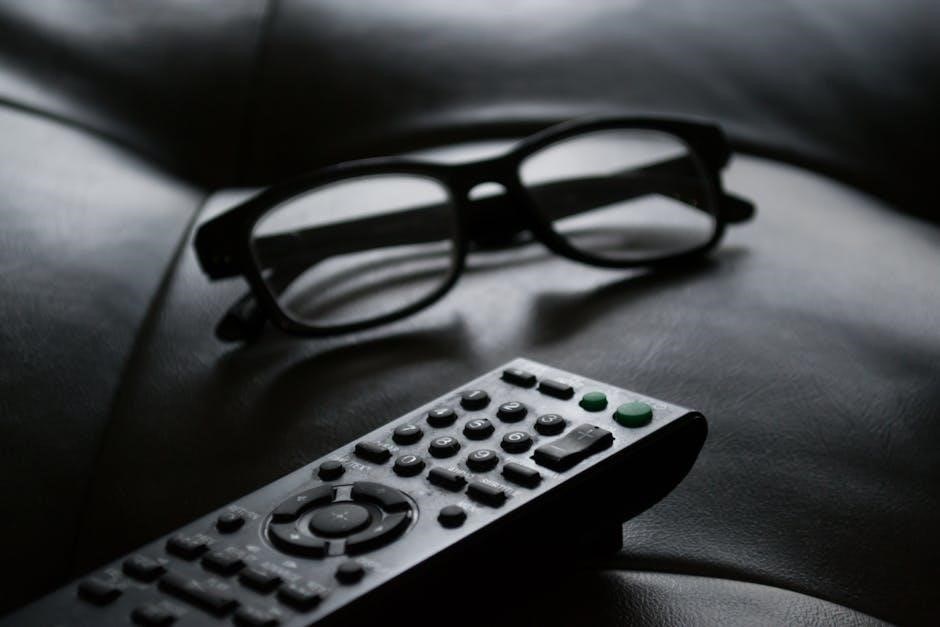
Levolor remote controls aren’t universally compatible across all systems; specific remotes are designed for particular shade styles and motor types. The InMotion remote (TDBU_D_N) primarily supports Top-Down/Bottom-Up and Day/Night shades, as detailed in the official guide.
Older Levolor systems may require different remotes or programming procedures. It’s crucial to identify your shade’s system and motor type before attempting to pair a remote. Consult the Levolor website or customer support for compatibility information if you’re unsure.
Generally, newer Levolor motorized shades are designed to work with updated remote models, offering enhanced features and improved connectivity. However, verifying compatibility is essential to avoid frustration and ensure seamless operation. Always refer to the product documentation or Levolor’s support resources for accurate information.
Finding Your Remote Control Model Number
Locating your Levolor remote control’s model number is vital for accessing specific guides and support resources. The model number is typically found on a sticker located either on the back of the remote itself, or within the battery compartment.
Carefully inspect the remote’s casing for a small label. The model number will usually be a combination of letters and numbers, such as “TDBU_D_N” for the InMotion remote.
If you cannot find a sticker, consult your original purchase documentation or contact Levolor customer support. Having the model number readily available will expedite the troubleshooting process and ensure you receive the correct assistance for your specific remote control. Accurate identification is key to a smooth experience.
Customer Support & Resources
Need help? Levolor offers comprehensive support via their website, FAQs, and direct contact options. Find warranty details and troubleshooting assistance online today!
Levolor Customer Support Contact Information
For direct assistance with your Levolor motorized blinds and remote control, reaching out to their customer support team is recommended. While specific phone numbers aren’t readily available in the provided sources, the primary avenue for support is through the official Levolor website: https://www.levolor.com/customer-support/motorized-blinds-and-shades?srsltid=AfmBOoqeW6pCCeJIQznuRTXZT3MQlRywSbIPlg2k86h4ehG_ZIPwwNoT.
This link directs you to a dedicated support page for motorized blinds and shades. Here, you can explore frequently asked questions (FAQs) and potentially submit a support request. Be prepared to provide your remote control model number and details about the issue you are experiencing to expedite the support process. Checking the online resources first may resolve common problems quickly.
Online Resources and FAQs
Levolor provides a wealth of online resources to assist you with your motorized blind and remote control needs. The primary starting point is the official Levolor customer support page dedicated to motorized shades: https://www.levolor.com/customer-support/motorized-blinds-and-shades?srsltid=AfmBOoqeW6pCCeJIQznuRTXZT3MQlRywSbIPlg2k86h4ehG_ZIPwwNoT.
This section features a comprehensive FAQ section addressing common issues, programming questions, and troubleshooting steps. Additionally, Levolor offers downloadable remote control guides, such as the “InMotion Remote Guide (TDBU_D_N)” available at https://installer.levolor.com/media/pagebuilder_uploads/LEVOLOR_InMotion_Remote_Guide_-_TDBU_D_N.pdf. These resources can often resolve issues without needing to contact customer support directly.
Warranty Information for Remote Controls
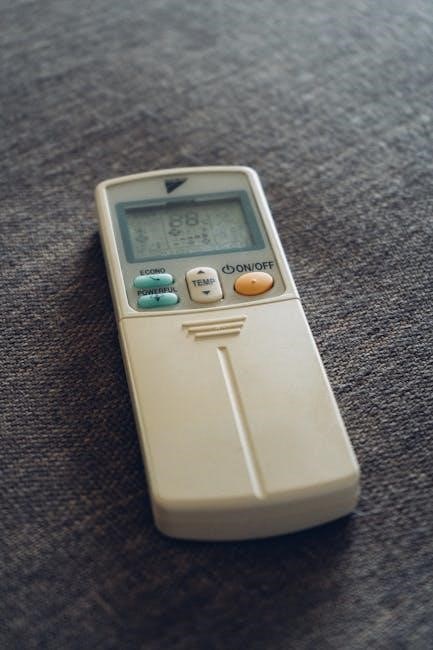
Levolor offers a warranty on its remote controls, protecting against manufacturing defects and ensuring customer satisfaction. While specific warranty details can vary depending on the remote model and purchase date, generally, Levolor remote controls are covered for a period of one year from the original purchase.
This warranty typically covers issues like button malfunctions, connectivity problems, or failures in the remote’s internal circuitry. It does not cover damage resulting from misuse, accidental damage, battery leakage, or unauthorized repairs. To initiate a warranty claim, customers should contact Levolor Customer Support with proof of purchase. Retaining your original receipt is crucial for a smooth warranty process. Further details regarding warranty terms and conditions can be found on the Levolor website or by contacting their support team.