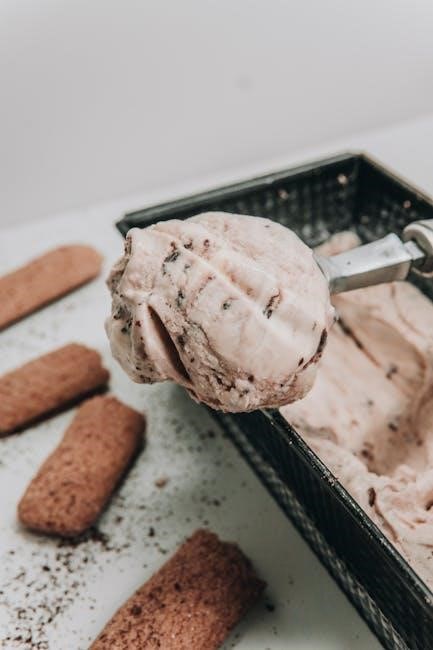
Oster Ice Cream Maker Manual: A Comprehensive Guide
This manual provides detailed instructions for various Oster ice cream makers, including wooden bucket, quick freeze, and modern models.
It covers operation, recipes, troubleshooting, and care for optimal performance.
Oster ice cream makers have a rich history, evolving from components of the versatile Oster Kitchen Center. These appliances offer a delightful way to create homemade frozen desserts, from classic ice cream to refreshing sorbets and creamy frozen yogurt.
Whether you own a vintage wooden bucket model (FRSTIC-WDB) or a modern, compact unit (FRSTIC-GC0), understanding its operation unlocks a world of flavor possibilities.
The Quick Freeze model (768-08) provides rapid freezing, while newer designs prioritize convenience and versatility. This guide aims to assist all Oster ice cream maker owners.
Brief History of Oster Kitchen Centers
Oster Kitchen Centers gained popularity for their multi-functionality, initially offering attachments beyond blending, including food processing and, notably, ice cream making. Introduced decades ago, these centers became kitchen staples, celebrated for durability and versatility.
Reddit discussions highlight fond memories of using the cheese grater and other attachments. The ice cream maker attachment, while sometimes requiring a learning curve, allowed families to enjoy homemade treats.
Over time, Oster expanded its ice cream maker offerings, creating standalone units alongside the Kitchen Center attachments.
Types of Oster Ice Cream Makers
Oster offers a range of ice cream makers to suit different preferences. The Wooden Bucket Ice Cream Makers (FRSTIC-WDB) utilize a traditional method, requiring ice and salt. Quick Freeze Ice Cream Makers (Model 768-08) offer a faster, more convenient freezing process.
Modern Ice Cream, Yogurt & Sorbet Makers (FRSTIC-GC0) provide versatility, capable of creating various frozen desserts. Each type has unique features and operating instructions, detailed in specific user guides available online. Understanding these differences is key to successful ice cream making.
Wooden Bucket Ice Cream Makers (FRSTIC-WDB)
The FRSTIC-WDB model is a classic, 4-quart wooden bucket ice cream maker. It relies on a hand-crank mechanism and requires a mixture of ice and rock salt surrounding the freezing canister. This creates the necessary cold temperature for freezing. Users should consult the user guide for proper ice-to-salt ratios and layering techniques.
Proper assembly and consistent cranking are crucial for achieving the desired ice cream consistency. This model offers a traditional, hands-on ice cream making experience.
Quick Freeze Ice Cream Makers (Model 768-08)
Oster’s Model 768-08, a “Quick Freeze” ice cream maker, utilizes an electric motor to expedite the freezing process. This model requires pre-freezing the canister for a specified duration – typically overnight – to ensure optimal performance. The manual details the importance of a thoroughly frozen canister for successful ice cream creation.
Users simply pour in the ice cream mixture, and the motor-driven dasher does the work. Detailed recipes and instructions are available online at pickyourown.org for this model.
Modern Ice Cream, Yogurt & Sorbet Makers (FRSTIC-GC0)
The Oster FRSTIC-GC0 is a versatile machine capable of crafting not only ice cream, but also frozen yogurt and refreshing sorbets. This modern model, detailed in a user guide available on the Internet Archive, offers convenience and expanded dessert options. It features a 1.5-quart capacity and a streamlined design.
The manual emphasizes proper assembly and ingredient preparation for best results. This model simplifies the process, making homemade frozen treats accessible to everyone.
Understanding the Components
Oster ice cream makers consist of a freezing canister, dasher/paddle assembly, and motor base; Some models, like the FRSTIC-WDB, also include a wooden bucket.
The Freezing Canister
The freezing canister is a crucial component, responsible for solidifying the ice cream mixture. It’s typically made of aluminum, a material known for its excellent heat conductivity. Before use, complete freezing is paramount – usually requiring at least 24 hours in the freezer.
Ensure the canister is thoroughly frozen solid; any remaining liquid will hinder the freezing process. The canister’s size varies depending on the model, impacting batch capacity. Proper preparation guarantees a smooth, creamy texture. Without adequate freezing, the mixture won’t achieve the desired consistency, resulting in a soupy outcome.
The Dasher/Paddle Assembly
The dasher, or paddle assembly, is the component that continuously scrapes the frozen mixture from the canister’s walls. This action prevents large ice crystals from forming, resulting in a smoother, creamier ice cream texture. It’s driven by the motor and designed to thoroughly mix the ingredients during the freezing process.
The dasher’s design varies between models, but its function remains consistent. Proper assembly is vital for efficient operation. Ensure it’s securely attached to the motor shaft before starting. Regular cleaning is essential to prevent buildup and maintain optimal performance.
The Motor Base
The motor base houses the electric motor that powers the dasher assembly, driving the mixing and freezing process. It provides the rotational force necessary to scrape the frozen mixture from the canister walls, creating smooth ice cream. The base typically features an on/off switch and may include speed settings on some models.
Ensure the motor base is placed on a stable, level surface during operation. Avoid contact with water or other liquids to prevent electrical hazards. Regular inspection of the power cord is recommended.
Wooden Bucket (For applicable models)
For Oster ice cream makers utilizing a wooden bucket (like the FRSTIC-WDB), this component is crucial for the freezing process. The bucket holds a mixture of ice and rock salt surrounding the freezing canister. This creates the extremely cold environment needed to freeze the ice cream base.
Properly layering ice and rock salt is essential for optimal performance. Ensure the bucket is clean and dry before each use. Inspect the wood for any cracks or damage, as this can affect its insulating properties.
Preparing for Ice Cream Making
Successful ice cream requires a fully frozen canister, a chosen recipe, and properly prepared ingredients. Careful preparation ensures a smooth and delicious frozen dessert!
Freezing the Canister
Achieving the correct canister temperature is crucial for successful ice cream making. The freezing canister must be completely frozen before use; otherwise, the mixture won’t solidify properly.
Importance of Complete Freezing: A partially frozen canister will result in a soupy, rather than creamy, consistency; Ensure ice crystals have fully formed around the inner walls.
Recommended Freezing Time: Generally, a minimum of 12-24 hours in a deep freezer is recommended. Standard freezers may require longer – up to 36 hours. Always check for complete freezing before assembly. A well-frozen canister is the foundation of perfect homemade ice cream!
Importance of Complete Freezing
Complete freezing of the canister is absolutely essential for proper ice cream creation. Without a fully frozen canister, the ice cream mixture will not reach the necessary low temperature to crystallize and thicken into a desirable consistency.
Insufficient freezing leads to a soupy result, lacking the smooth, creamy texture expected from homemade ice cream. The canister acts as the cooling source, drawing heat away from the mixture.
A partially frozen canister simply cannot effectively remove enough heat, resulting in a disappointing outcome. Prioritize thorough freezing for guaranteed success!
Recommended Freezing Time
The recommended freezing time for the Oster ice cream canister varies, but generally, a minimum of 24 hours is crucial. Ensure the canister is placed in the coldest part of your freezer, away from frequently opened compartments.
For optimal results, consider freezing for up to 48 hours, especially if your freezer isn’t exceptionally cold. Before use, double-check that the liquid inside the canister is completely frozen solid – no movement should be detected when shaken.
Consistent, thorough freezing is key to achieving the perfect ice cream texture.
Recipe Selection
Choosing the right recipe is vital for successful ice cream making with your Oster machine. Begin with simple recipes, like basic vanilla, to familiarize yourself with the process and your specific model’s capabilities.
Explore options beyond traditional ice cream; Oster makers can also create frozen yogurt and sorbet. Online resources, such as pickyourown.org, offer a variety of recipes specifically tailored for Oster ice cream makers, including Model 768-08.
Always follow recipe instructions carefully for ingredient proportions and preparation techniques.
Ingredient Preparation

Proper ingredient preparation is crucial for a smooth and creamy final product. Ensure all ingredients are fresh and of high quality for the best flavor. Chill liquid ingredients, like milk and cream, thoroughly before combining them; this aids in faster freezing.
Pre-dissolve sugar completely in the liquid base to prevent a grainy texture. If using fruit, puree it smoothly before adding it to the mixture.
Remember that the mixture will expand during freezing, so don’t overfill the canister.
Operating Your Oster Ice Cream Maker
Successfully making ice cream involves careful assembly, adding the chilled mixture, and allowing the machine to work its magic during the freezing process.
Assembling the Ice Cream Maker
Proper assembly is crucial for efficient ice cream making. Begin by ensuring the freezing canister is thoroughly chilled – this is paramount. Next, carefully position the dasher/paddle assembly into the canister, ensuring it spins freely. For wooden bucket models (FRSTIC-WDB), securely place the canister within the bucket.
Then, attach the motor base to the assembled canister and dasher, following the specific instructions for your model (768-08 or FRSTIC-GC0). Confirm a snug fit; a loose connection can hinder performance. Double-check all components are correctly aligned before proceeding to add your delicious ice cream mixture.
Adding the Ice Cream Mixture
Once assembled, carefully pour your prepared ice cream mixture into the freezing canister. Do not overfill; leave sufficient space – typically around 1-2 inches from the top – to allow for expansion during the freezing process; Overfilling can cause spillage and prevent proper churning.
Ensure the mixture doesn’t exceed the canister’s maximum capacity. Secure the lid or cover, as appropriate for your Oster model. Now, activate the motor base and allow the machine to begin the freezing process. Monitor closely during the initial stages to confirm everything is functioning correctly.
The Freezing Process
As the motor operates, the dasher will continuously churn the ice cream mixture, scraping the frozen sides of the canister. This action incorporates air, creating a smooth and creamy texture. Monitor the consistency; it will gradually thicken from a liquid to a soft-serve consistency;
Typical freezing time ranges from 20 to 30 minutes, but can vary depending on the recipe, ambient temperature, and how thoroughly the canister was frozen. Avoid interrupting the process prematurely, as this may result in a grainy texture.
Monitoring the Consistency
Throughout the freezing process, periodically check the ice cream’s consistency. Observe how the mixture clings to the dasher and the sides of the freezing canister. Initially, it will be liquid, then transition to a slushy state.
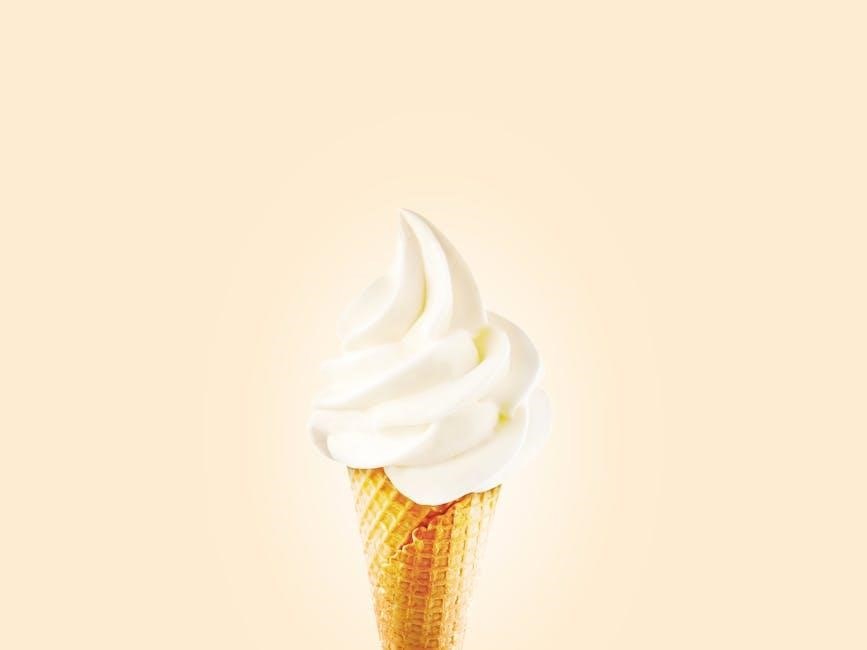
As churning continues, it will thicken, resembling soft-serve ice cream. If it seems too soft, allow the machine to run for a few more minutes. Over-churning can lead to a grainy texture, so careful observation is key to achieving the perfect consistency.
Typical Freezing Time
The freezing time for your Oster ice cream maker varies depending on the model, recipe, and initial ingredient temperature. Generally, wooden bucket models require around 20-30 minutes of churning. Quick Freeze models, like the 768-08, often complete the process in 15-20 minutes;
Modern ice cream makers (FRSTIC-GC0) typically take 20-25 minutes. However, these are estimates; consistently monitoring the consistency is crucial. A well-chilled canister and cold ingredients will significantly reduce freezing time, resulting in smoother, creamier ice cream.
Recipes & Troubleshooting
Explore delicious ice cream recipes and solutions to common issues. This section offers guidance for perfect results, addressing problems like improper freezing and motor concerns.
Basic Vanilla Ice Cream Recipe
Ingredients: 2 cups heavy cream, 1 cup whole milk, ¾ cup granulated sugar, 1 tablespoon vanilla extract. Instructions: Combine cream, milk, and sugar in a saucepan. Heat gently, stirring until sugar dissolves – do not boil! Remove from heat and stir in vanilla extract.
Chill the mixture thoroughly in the refrigerator for at least two hours, or preferably overnight. This ensures optimal freezing. Once chilled, pour into your prepared Oster ice cream maker and follow the operating instructions for your specific model.
Churn until the ice cream reaches a soft-serve consistency, typically 20-30 minutes. For a firmer texture, transfer to a freezer-safe container and freeze for an additional 2-4 hours. Enjoy your homemade vanilla ice cream!
Chocolate Ice Cream Recipe
Ingredients: 2 cups heavy cream, 1 cup whole milk, ¾ cup granulated sugar, ¾ cup unsweetened cocoa powder, 1 teaspoon vanilla extract. Instructions: In a saucepan, whisk together cream, milk, sugar, and cocoa powder; Heat gently, stirring constantly until the sugar is dissolved and the mixture is smooth.
Avoid boiling! Remove from heat and stir in vanilla extract. Chill the chocolate mixture thoroughly in the refrigerator for at least two hours, or overnight for best results. Pour into your prepared Oster ice cream maker and churn according to your model’s instructions.
Churn until it reaches a soft-serve consistency, usually around 20-30 minutes. Transfer to a freezer-safe container for a firmer texture, freezing for an additional 2-4 hours.
Troubleshooting Common Issues
Ice Cream Not Freezing: Ensure the freezing canister is completely frozen – at least 24 hours is recommended. Verify sufficient ice and salt are used in wooden bucket models. Check the motor base is securely connected and functioning.
Motor Overheating: This often occurs with prolonged use. Unplug the unit and allow it to cool completely before restarting. Avoid overfilling the canister, as this strains the motor. Ensure the dasher rotates freely without obstruction.
If problems persist, contact Oster Customer Support at 1.800.334.0759 (USA) or 1.800.667.8623 (Canada) for assistance.
Ice Cream Not Freezing
The most common cause is an insufficiently frozen canister. It must be frozen solid – a full 24 hours is generally needed. Confirm the canister is level in the freezer.
For wooden bucket models, ensure a proper ice-to-salt ratio is used; typically, 6 parts ice to 1 part rock salt. Insufficient salt hinders freezing. Check the dasher is properly assembled and rotating freely.
Verify the ice cream mixture wasn’t already too warm when added. A cold mixture freezes faster. If issues continue, contact Oster support.
Motor Overheating
Motor overheating typically indicates excessive strain. Ensure the dasher is moving freely within the canister; resistance causes the motor to work harder. Avoid overfilling the canister, as this increases the load.
For wooden bucket models, confirm the ice level adequately surrounds the canister. Insufficient ice leads to increased friction and heat. If overheating persists, immediately unplug the unit and allow it to cool completely before attempting further use.
Contact Oster customer support if the problem continues, as it may indicate a motor malfunction.

Maintenance and Care
Regular cleaning and proper storage are essential for extending the life of your Oster ice cream maker.
Always unplug before cleaning and follow the provided instructions carefully.
Cleaning the Components
After each use, disassemble your Oster ice cream maker for thorough cleaning. The freezing canister, dasher/paddle assembly, and wooden bucket (if applicable) should be washed in warm, soapy water. Avoid abrasive cleaners that could damage the surfaces.
The motor base should be wiped down with a damp cloth only; never immerse it in water. Ensure all parts are completely dry before reassembling and storing.
For stubborn residue, a mild degreaser can be used on the canister and dasher, but rinse thoroughly.
Proper cleaning prevents bacteria growth and ensures optimal performance for future batches.
Storage Instructions
To prolong the life of your Oster ice cream maker, proper storage is essential. Ensure all components are completely clean and dry before storing. The motor base should be kept in a cool, dry place, away from direct sunlight and moisture.
The freezing canister and dasher can be stored in a freezer bag to prevent dust accumulation. If you have a wooden bucket model, store the bucket separately, ensuring it’s also dry to prevent warping or mildew. Avoid stacking heavy items on top of the components during storage.
Contacting Customer Support
Should you encounter any issues or have questions regarding your Oster ice cream maker, Sunbeam Consumer Service is readily available to assist. For customers located in the USA, you can reach support at 1.800.334.0759.
Canadian customers can contact the support team at 1.800.667.8623.
Additionally, you can find helpful resources and frequently asked questions on the official Oster website at www;oster.com.
Their knowledgeable representatives are dedicated to ensuring your ice cream making experience is enjoyable.
USA Support: 1.800.334.0759
For immediate assistance with your Oster ice cream maker within the United States, please do not hesitate to contact Sunbeam Consumer Service directly. Dial 1.800.334.0759 during regular business hours to speak with a knowledgeable representative.
They can provide guidance on troubleshooting, component replacement, recipe inquiries, and general operation of your appliance. Be prepared to have your model number available for faster service.
Visit www.oster.com for additional support resources and FAQs before calling, potentially resolving your issue quickly.
Canada Support: 1.800.667.8623
Canadian Oster ice cream maker owners can access dedicated support by calling Sunbeam Consumer Service at 1.800.667.8623. This helpline is staffed with experts ready to assist with any questions or concerns regarding your appliance.
Whether you need help with assembly, operation, troubleshooting a problem, or understanding a recipe, their team is equipped to provide clear and helpful guidance. Having your model number handy will expedite the support process.
Also, explore www.oster.com for online resources and frequently asked questions.